


A Mala Bracelet is a sacred tool used for meditation and mindfulness that helps you stay grounded and focused throughout the day. Many practitioners wonder which wrist is best for wearing these beads to maximize their spiritual benefits and energy flow. In this guide, we will explore the traditional “left to receive, right to give” logic and help you decide which hand aligns best with your personal intentions.
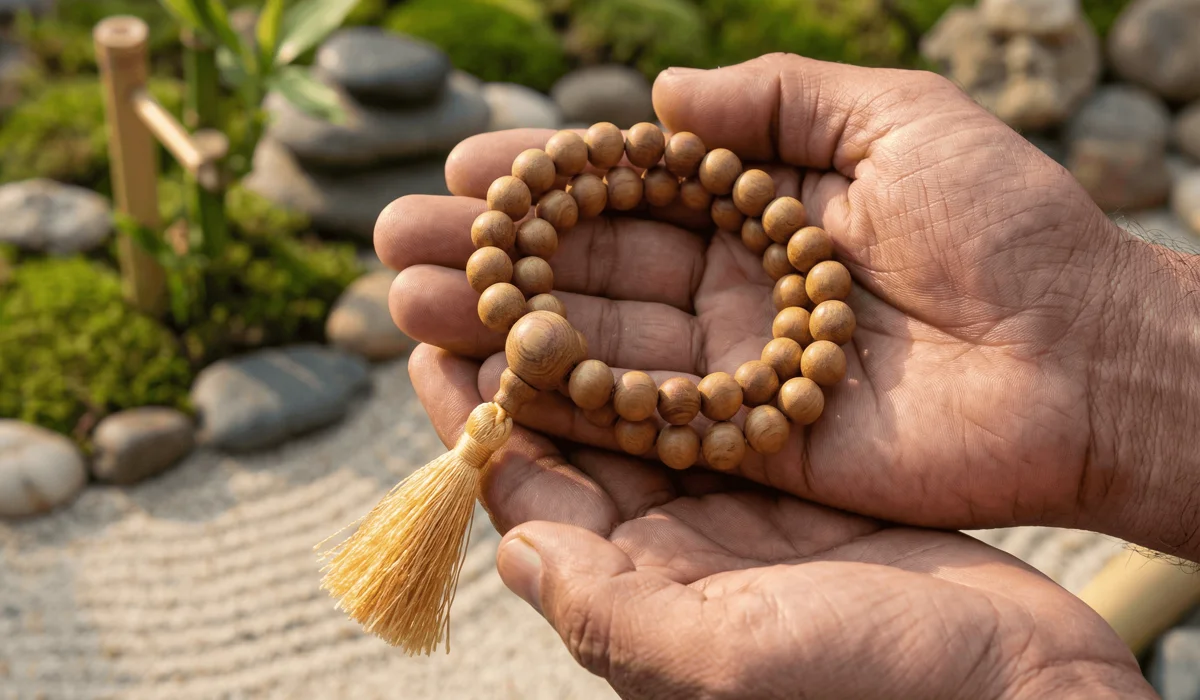
- Left Hand: Traditionally used for receiving healing energy and internal peace.
- Right Hand: Used for giving energy, manifesting goals, and offering protection.
- Guru Bead: A central bead that represents the teacher and is never crossed during counting.
- Materials: Malas are crafted from sacred woods, seeds, or semi-precious gemstones.
- Intention: The “correct” hand often depends on your specific spiritual goal for the day.
What Is a Mala Bracelet?
Definition
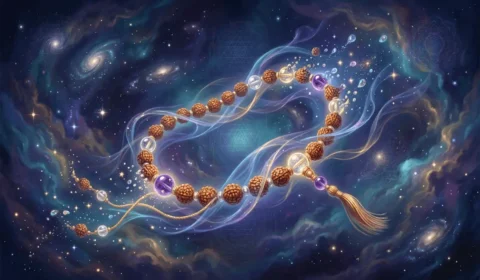
A “mala” translates to “garland” in Sanskrit and refers to a string of prayer beads used for spiritual practice. While a full mala necklace typically contains 108 beads, a wrist mala is a shorter version, often featuring 18, 21, or 27 beads. These beads serve as a tactile tool for counting mantra repetitions or breaths during meditation.
Origin & Materials
The use of prayer beads dates back thousands of years, with roots in Tibetan prayer bead tradition, Hinduism, and Buddhism. Traditional materials include sacred woods like sandalwood or rosewood, seeds like rudraksha, and various semi-precious gemstones. The sacred geometry of malas ensures that the arrangement of beads supports a focused state of mind.
Basic Characteristics
A key feature of every mala is the guru bead, which signifies the relationship between student and teacher. Most mala bracelets are finished with a tassel or a protective knot to represent the unity of all things. They are designed to be durable enough for daily wear while maintaining their spiritual significance.
Spiritual Meaning & Symbolism
Mala beads represent the journey of the soul, with each bead marking a step toward enlightenment or self-awareness. The circular nature of the bracelet symbolizes the cyclical essence of life and the infinity of the universe. The guru bead meaning is rooted in gratitude; it is a point of reflection where one pauses to acknowledge their spiritual guides.
Chakra Associations
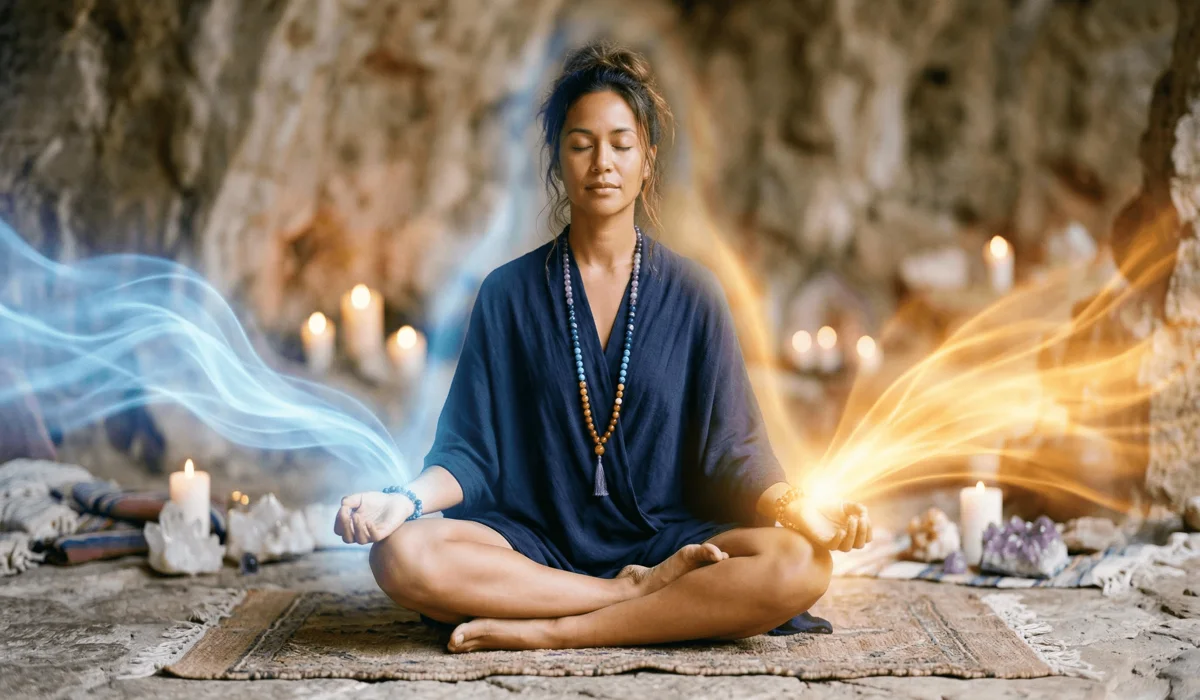
Gemstone malas are often selected to align with specific chakras, such as amethyst for the crown or lava stone for the root. The energy of the stones is believed to interact with the body’s subtle energy field when worn against the skin. Intent setting with beads allows the wearer to focus on a specific chakra that requires balance or activation. When choosing a piece, you might consider the Crystal Meanings associated with different stones to find your perfect match.
Cultural and Historical Context
In Hindu tradition, malas are often handled exclusively with the right hand to maintain ritual purity. Tibetan Buddhist traditions are frequently more flexible, allowing for the use of either hand during prayer. Throughout history, these beads have served as both a private tool for devotion and a public symbol of a committed spiritual path. Ancient texts like those found on Wikipedia document how these traditions evolved across different regions of Asia.
Benefits & Intentions Associated with Mala Bracelets
Many practitioners use malas to foster a sense of peace, calm, and emotional stability throughout a busy day. Different gemstones are traditionally chosen for specific goals, such as rose quartz for compassion or tiger’s eye for courage. Choosing gemstone malas for specific intentions helps anchor the wearer’s mind to their personal growth objectives.
Mindfulness & Personal Practices
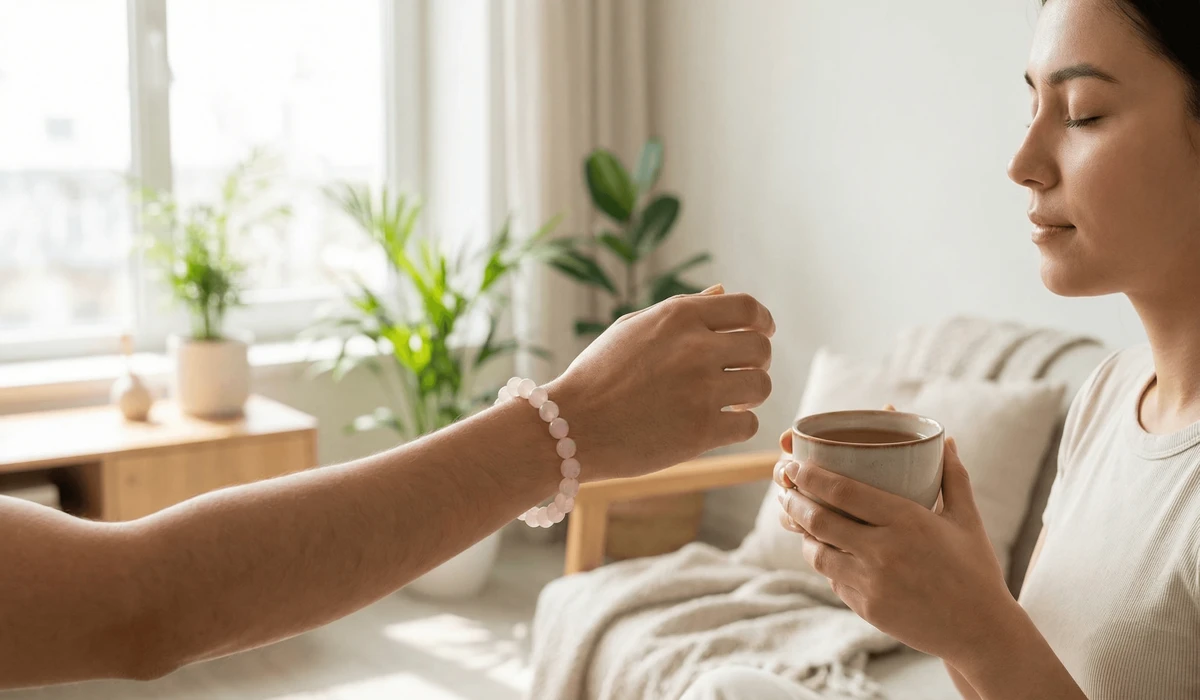
The physical weight of the beads on the wrist serves as a constant “kinesthetic cue” to remain present. Handling the beads during a stressful moment can act as a grounding exercise to reduce anxiety. The practice of counting mantra beads helps quiet the “monkey mind” and encourages deep, rhythmic breathing.
How to Wear a Mala Bracelet
In many energy-work traditions, the left side is considered the feminine, receptive side. Wear your bracelet here for gemstone energy absorption and to pull healing intentions into your spirit. The right side is often seen as the masculine, productive side. Wear your mala on the right wrist when you wish to project energy, offer protection, or manifest your intentions into the world. You can find more details in our guide on Which Hand Should You Wear Your Crystal Bracelets On which discusses these energy flows in depth.
When People Choose to Wear It
Malas are commonly worn during yoga sessions to help maintain a state of “dharana” (concentration). In daily life, they are worn as a reminder of vows taken or as a symbol of one’s commitment to a mindful lifestyle. Some practitioners prefer to wear their mala only during specific rituals, while others find comfort in 24/7 contact.
Intention-Setting Practices
Before putting on your bracelet, take a moment to hold it in both hands and visualize your goal. You may choose to “pre-charge” the beads by reciting a chosen mantra 108 times before the first wear. We suggest you explore Mala Beads in our collection to find a piece that truly resonates with your unique spirit.
Mala Bracelet vs Similar Spiritual Jewelry
Mala bracelets always include a specific count of beads and a guru bead, whereas crystal bracelets are often designed for aesthetic or general energy. The primary purpose of a mala is mantra recitation, while a crystal bracelet is primarily for continuous energy support. Many stones used in these bracelets are graded by the Gemological Institute of America to ensure their quality and authenticity.
| Feature | Mala Bracelet | Crystal Bracelet |
|---|---|---|
| Primary Purpose | Meditation & Counting | Healing & Fashion |
| Bead Count | Specific (e.g., 27, 21) | Varies by Wrist Size |
| Key Elements | Guru Bead & Tassel | Continuous Stones |
Who Is a Mala Bracelet Suitable For?
A mala is ideal for individuals who feel “blocked” and are looking for a physical tool to help shift their internal frequency. It is also suitable for those who work with Reiki or other healing modalities and want to protect their own energy field. For those interested in the science of stones, groups like The Gemmological Association of Great Britain provide great resources on the physical properties of these natural materials.
Zodiac or Astrological Associations
Many choose malas based on their birthstones or planetary rulers to harmonize with their astrological blueprint. Vedic astrology often recommends specific rudraksha or gemstones to mitigate certain celestial influences. This connection between the stars and the earth can make your jewelry feel even more personal.
Lifestyle & Personal Intentions
A mala is perfect for the modern meditator who needs a portable tool for stress management. It is suitable for anyone seeking a “mindful jewelry placement” that carries more meaning than a standard fashion accessory. Based on our experience, wearing these beads helps maintain a sense of calm during a busy workday.
How to Cleanse, Charge, and Care for Mala Beads
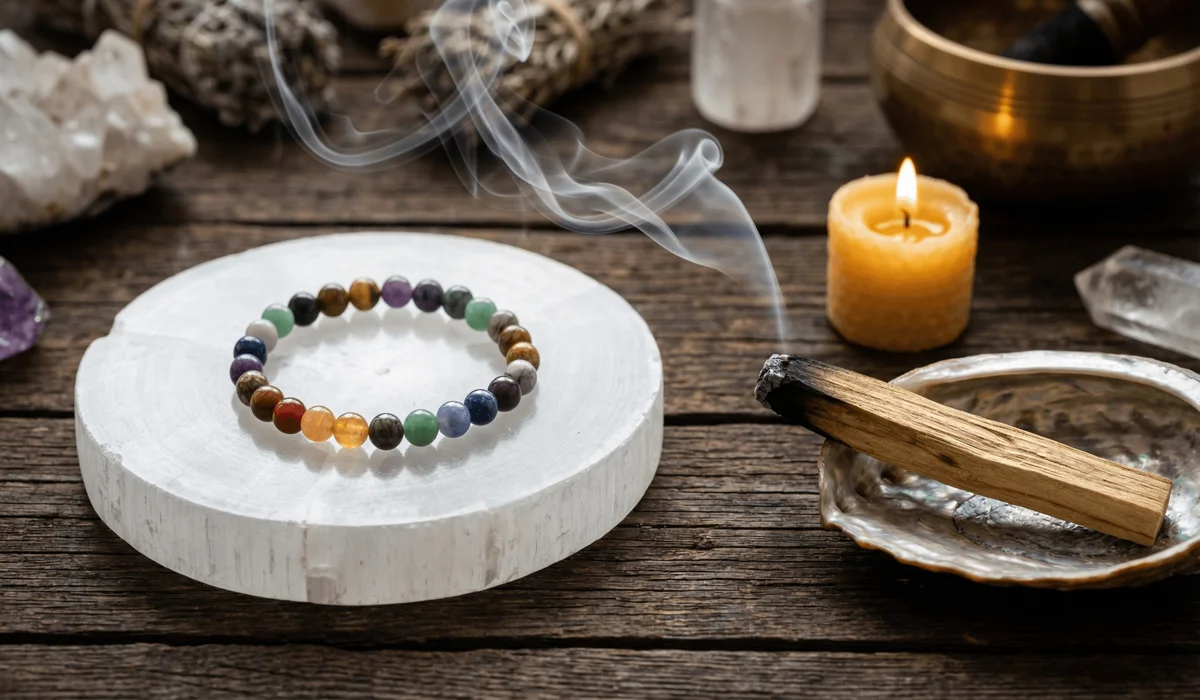
Gently use the smoke of sacred herbs like sage or palo santo to clear stagnant energy from the beads. Place your mala on a selenite charging plate overnight to neutralize any absorbed negativity. For wooden beads, a soft, dry cloth is best; avoid submerging them in water as it can weaken the cord.
Charging Practices
Leave your gemstone mala in the light of the full moon to revitalize the natural energy of the crystals. Sound bathing with a Himalayan singing bowl is an effective way to reset the vibration of the beads. These practices ensure that your spiritual tools remain potent and effective over time.
Daily Care & Storage
When not in use, store your mala in a dedicated silk pouch or on a clean altar space. Avoid wearing your mala while sleeping or showering, as sweat and chemicals can degrade the materials and the string. Be mindful of the rules for wearing mala beads in daily life, which suggest treating them with respect.
Frequently Asked Questions
Q: What wrist do you wear a mala bracelet on for energy absorption?
A: Traditionally, the left wrist is recommended for energy absorption as it is considered the receiving side of the body.
Q: Which hand should I use to count my mala beads during meditation?
A: In most Hindu traditions, the right hand is used to count the beads, typically moving them with the thumb and middle finger while avoiding the index finger.
Q: Does it matter which hand I use for a 27-bead wrist mala?
A: While personal comfort is paramount, many practitioners follow the left to receive, right to give logic regardless of the bead count.
Q: What is the significance of the guru bead in a mala?
A: The guru bead represents the teacher or the divine and serves as the starting and ending point of the mala; it is never crossed during counting.
Q: Why is the index finger avoided when using a mala?
A: The index finger is often associated with the ego; avoiding its use during meditation symbolizes the effort to transcend the ego and reach a state of humility.
Conclusion & Gentle Next Step
Whether you choose the left hand for receiving peace or the right hand for projecting strength, your intention is what truly activates the beads. Remember that mala bead etiquette is a tool for focus, not a set of rigid laws that should cause stress. Treat your mala with respect, cleanse it regularly, and let it serve as a faithful companion on your path to mindfulness.
If you feel ready to select a new spiritual tool, we invite you to browse our curated collection of ethically sourced Traditional Prayer Beads at Buddha Bodhis Studio. Our team is here to help you find the perfect piece for your journey.
The content provided in this article is for informational purposes and cultural exchange only. It does not constitute medical, legal, financial, or other professional advice. Readers should consult with qualified professionals regarding any specific health or personal concerns.

Written by the Buddha Bodhis Team
Since 2020, we have been devoted to exploring traditional year-based wisdom, classical Feng Shui principles, and the rich spiritual symbolism rooted in Eastern cultural heritage. Our work bridges ancient metaphysical systems with modern life, interpreting annual cycles, elemental energies, and symbolic meanings to offer thoughtful insight and practical guidance. Through continuous research and practice, we aim to preserve traditional knowledge while making it accessible, relevant, and meaningful for contemporary seekers of balance, intention, and personal growth.
TikTok | YouTube | Pinterest | X
buddhabodhis@gmail.com